
Exploring the Benefits of Digital Minimalism
In our hyper-connected world, where digital distractions abound, the concept of digital minimalism is gaining traction. This approach emphasizes intentional use of technology to enhance our lives rather than complicate them. In this article, we will explore the benefits of digital minimalism and how it can help you foster a healthier relationship with your digital tools.
Understanding Digital Minimalism
Digital minimalism refers to a lifestyle choice that encourages individuals to prioritize their online activities selectively. According to experts in the field, this approach typically involves reducing the number of digital tools and platforms used and focusing only on those that add significant value to one’s life. Research indicates that fewer distractions can lead to increased focus and productivity.
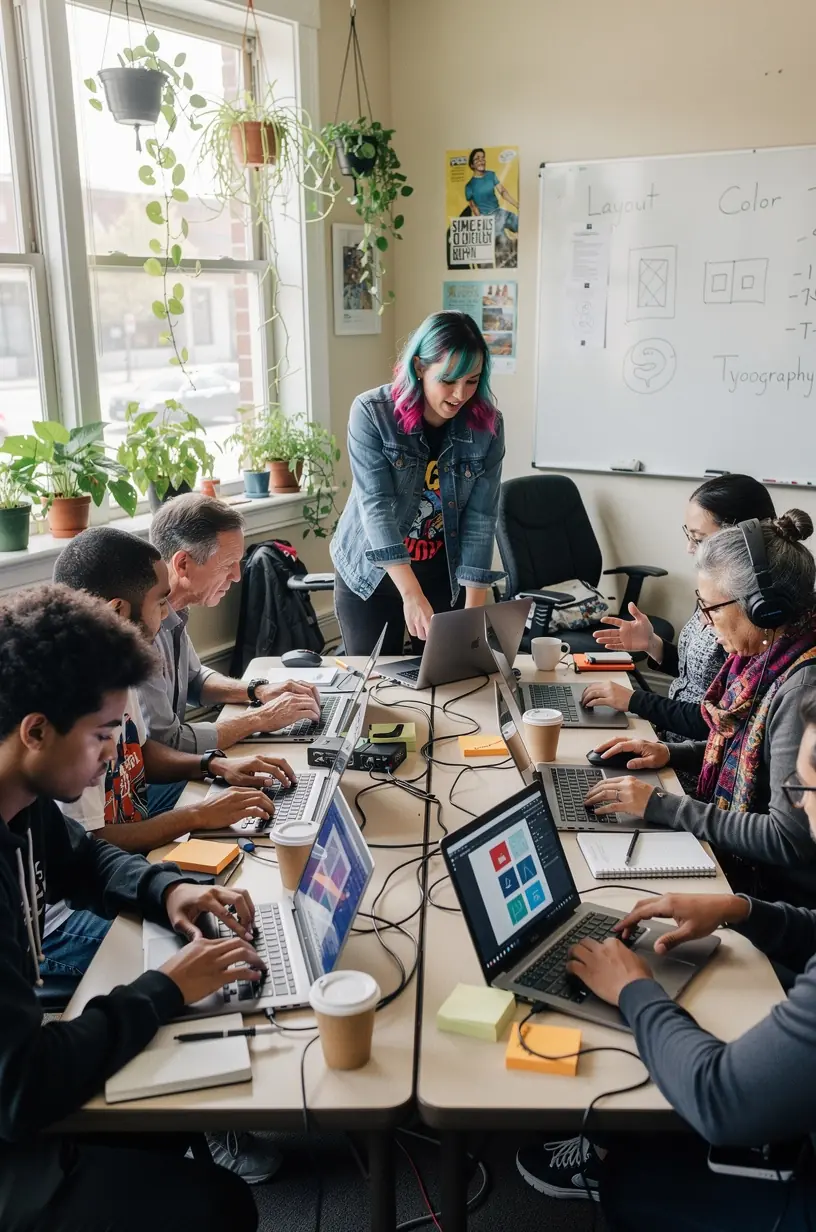
"Digital minimalism is about reclaiming your attention and using technology in a more intentional manner." - Cal Newport
Benefits of Digital Minimalism
Adopting digital minimalism can lead to numerous positive outcomes:
- Improved Focus: Studies show that individuals who limit their digital interactions often report greater levels of concentration. This is because fewer notifications and interruptions allow for deeper work sessions.
- Enhanced Mental Well-being: Many users report reduced anxiety and stress levels when they minimize their screen time. A study conducted by the University of Pennsylvania found that limiting social media usage to 30 minutes a day resulted in significant improvements in well-being.
- Time Management: By cutting out unnecessary digital clutter, individuals can allocate more time to activities that truly matter to them, such as reading, exercising, or spending time with family.
How to Begin Your Journey
Transitioning to a digital minimalist lifestyle typically requires commitment and effort. Here are some actionable steps to help you get started:
- Assess Your Digital Tools: Take stock of the applications and platforms you use daily. Identify which ones contribute positively to your life and which ones may be contributing to digital overwhelm.
- Set Boundaries: Establish clear guidelines for your digital use. This may include limiting time spent on social media or designating tech-free zones in your home.
- Replace, Don’t Remove: Instead of simply eliminating tools or platforms, consider replacing them with alternatives that better align with your values. For example, substitute scrolling on social media with reading a book or engaging in a hobby.
Acknowledge the Challenges
It’s essential to set realistic expectations as you embark on this journey. Transitioning to a digital minimalist lifestyle may take time, typically around 2-4 weeks, as you adjust to new habits and routines. Additionally, there may be a learning curve as you discover which tools genuinely enhance your productivity and well-being.
Conclusion
Digital minimalism offers a pathway to a more intentional, fulfilling life in our technology-driven world. By focusing on the digital tools that truly matter, you can enhance your productivity, improve your mental health, and make more time for the activities you love. Embrace the journey of simplification and allow yourself the space to thrive in a less cluttered digital environment.
Learn More